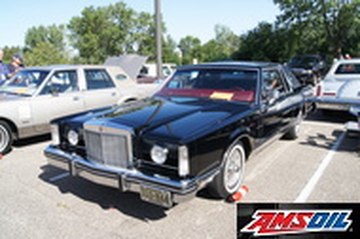
Maintaining Lubrication Standards for the 1982 Lincoln CONTINENTAL 3.8L
Proper engine maintenance is a cornerstone of long-term vehicle health, particularly for a classic luxury sedan like the 1982 Lincoln CONTINENTAL. The 3.8L engine requires consistent attention to its lubrication system to ensure smooth operation and to mitigate the effects of age on internal components. While many aspects of automotive care are universal, managing the fluids and mechanical integrity of a vehicle from this era requires a focused approach to inspection and component monitoring.
Monitoring Fluid Integrity and Potential Seepage
One of the most effective ways to monitor the health of the 3.8L engine is through regular visual inspections for fluid loss. Over time, various seals and gaskets may experience changes in their ability to maintain a tight barrier. When performing routine checks, it is useful to look for signs of seepage around the engine block and connection points.
If you notice dark staining or wetness on the exterior of the engine components, this can be an indicator that a seal or gasket may be reaching the end of its service life. Rather than assuming a specific component has failed, these observations should be treated as prompts for closer inspection. Additionally, checking the level and clarity of the oil during every service interval is vital. Oil that appears excessively dark, gritty, or contains visible particulates warrants immediate investigation to determine if contamination or degradation has occurred.
Beyond the engine itself, inspecting the condition of associated components can prevent larger issues. If equipped, check any accessible drive belts for signs of wear such as cracking, glazing, or fraying. Similarly, inspect any visible hoses for softness, bulging, or evidence of leaks. Maintaining a clean engine bay also makes it significantly easier to spot new leaks before they become substantial.
Managing Maintenance Records and Service History
For owners of a 1982 Lincoln CONTINENTAL, establishing a clear maintenance baseline is highly beneficial. If the vehicle's service history is unknown, the first priority should be to document every subsequent oil change, filter replacement, and mechanical repair. This documentation creates a roadmap for future service needs and helps identify patterns in how the engine behaves.
A well-maintained logbook allows an owner to distinguish between routine maintenance and emerging issues. For example, if you notice a slight increase in lubricant consumption over several months, having a record of previous oil levels can help determine if this is a sudden change or a gradual progression. When reviewing service history, look for evidence of consistent care; frequent and timely fluid changes are often the best indicator of an engine that has been well-protected from sludge and internal deposits.
As vehicles age, maintenance priorities often shift from purely preventive measures to condition-based monitoring. Instead of following generic schedules that may not reflect the actual state of your specific engine, use your records to prioritize tasks. Addressing active leaks or investigating unusual mechanical noises should take precedence over non-essential cosmetic or secondary repairs.
Identifying Potential Operational Changes
Observing how the vehicle operates during daily use can provide early warnings regarding the lubrication system. While many symptoms can have multiple underlying causes, certain changes in behavior should not be ignored. For instance, if you notice an unusual odor that may indicate oil contacting a hot surface, it is important to investigate the source of the scent.
Changes in engine noise or vibration can also be associated with lubrication health. If the engine exhibits sounds that were not present during previous inspections, this could suggest that the lubricant is not performing as expected or that there is an issue within the mechanical assembly. Furthermore, if you observe any changes in exhaust characteristics—such as smoke that appears different from the norm—this warrants a thorough inspection to rule out internal issues.
It is important to remember that a single symptom does not provide a definitive diagnosis. An oil pressure warning light or a sudden drop in fluid level requires immediate attention and professional evaluation. By staying observant, you can address minor concerns before they escalate into more significant mechanical requirements.
Prioritizing Long-Term Engine Care
Effective long-term ownership involves distinguishing between necessary preventive maintenance and unnecessary parts replacement. For a 1982 model, it is easy to fall into the trap of replacing components simply because they are old. However, a more practical approach is to inspect aging materials based on their actual condition.
Focus your efforts on the systems that directly impact engine longevity. This includes monitoring the quality of the oil and ensuring that the filtration system is functioning correctly. If you are using high-mileage formulations, be aware that some contain additives intended for use in aging engines, such as seal conditioners. These can be helpful in maintaining the integrity of older seals, but they should be used as part of a broader, consistent maintenance strategy.
Regularly checking the condition of electrical connections and wiring harnesses is also a prudent step. As vehicles age, electrical resistance can change, which may affect how various engine sensors and components communicate. Ensuring that all connections are clean and secure contributes to the overall reliability of the vehicle's management systems.
Selecting Lubricants for the 3.8L Engine
When it comes to choosing a lubricant, the most important factor is adhering to the specific requirements of your engine. Modern oil technology offers a wide range of options, including conventional oils, synthetic blends, and full synthetic formulations. While synthetic oils are known for their thermal stability and resistance to oxidation, the best choice for your 1982 Lincoln CONTINENTAL is one that aligns with the application data provided for your specific vehicle.
If you are managing an engine with higher mileage, you might consider high-mileage formulations. These products are designed with specific additives that can assist in maintaining the condition of aging seals. However, always verify that any lubricant you select meets the appropriate API certification to ensure it provides the necessary level of protection against deposits and wear.
Practical Advice for BUYING ENGINE OIL for your 1982 Lincoln CONTINENTAL 3.8L
To ensure you are providing the correct lubrication for your engine, always match the oil to the application-specific viscosity information shown on this page. Do not rely on general automotive knowledge or assumptions based on the vehicle's age to determine the correct grade. The specific requirements for your 3.8L engine are documented in the technical data provided above.
Before making a purchase, carefully check the product labels to confirm that the oil meets the necessary standards and that the viscosity matches the application information exactly. Whether you choose a conventional, synthetic blend, or high-mileage formulation, the priority must be the specific viscosity and quality requirements listed for your vehicle. By following the guidance provided in the application details on this webpage, you can ensure your engine receives the exact lubrication it needs for optimal performance.